From Builder Basic to Custom Feel: How to Elevate a Standard Home Without a Full Renovation
Many newer homes — especially new builds — come with beautiful layouts, functional kitchens, and clean finishes. But they often share one common challenge: they can feel a little… standard.
If you’ve ever walked into your home and thought it looks nice, but it doesn’t feel like me, you’re not alone. Builder-grade homes are designed to appeal to the masses, which means they often lack the warmth, character, and thoughtful details that make a home feel truly custom.
The good news? You don’t need a full renovation to elevate your space. With the right design decisions, you can transform a builder-basic home into one that feels layered, refined, and uniquely yours.
Here’s where I always recommend starting.
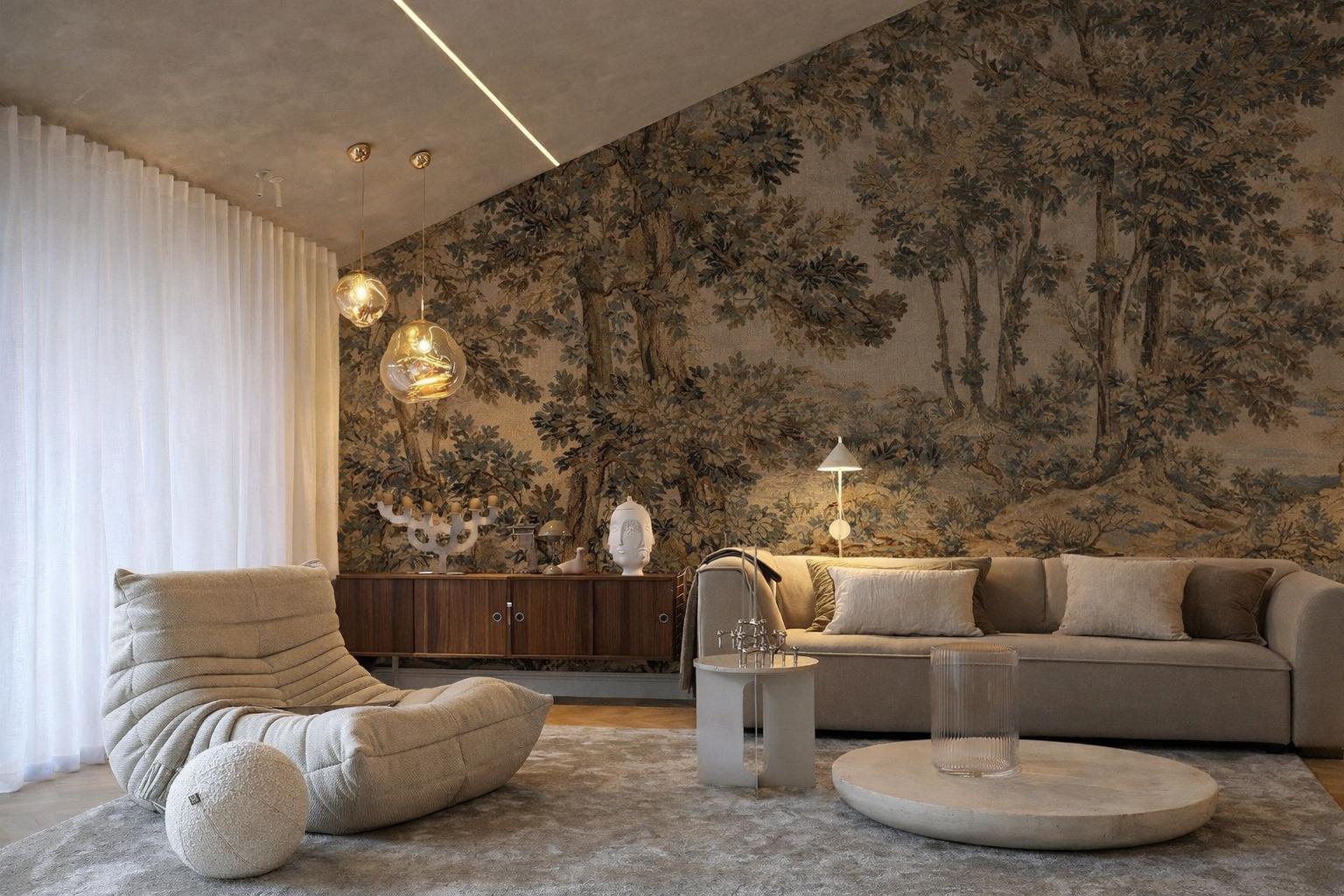
Start with Lighting: The Fastest Way to Elevate Any Space
Lighting is one of the most overlooked design elements in newer homes, yet it has one of the biggest visual impacts. Many builder-installed fixtures are chosen for function and cost efficiency, not for style or scale.
Swapping out standard light fixtures for statement pendants, elegant flush mounts, or sculptural chandeliers instantly adds personality and sophistication. Consider upgrading your dining room fixture, kitchen island pendants, and entryway lighting first — these are high-visibility areas that set the tone for the entire home.
Layering lighting is equally important. Adding table lamps, floor lamps, and under-cabinet lighting creates warmth and dimension, making the home feel curated rather than builder-basic.
Add Architectural Interest Without Major Construction
Custom homes often feel elevated because they include architectural details that builder-grade homes typically skip. The good news is that many of these details can be added without major construction.
Simple upgrades like wall moulding, picture-frame trim, board and batten, or a subtle feature wall can completely transform a room. Even something as simple as upgrading baseboards or adding a more substantial door casing can create a higher-end look.
In living rooms or primary bedrooms, consider adding a feature wall behind the bed or sofa using millwork, wallpaper, or a textured finish. These touches add depth and character while maintaining a timeless feel.
Upgrade Hardware and Plumbing Fixtures
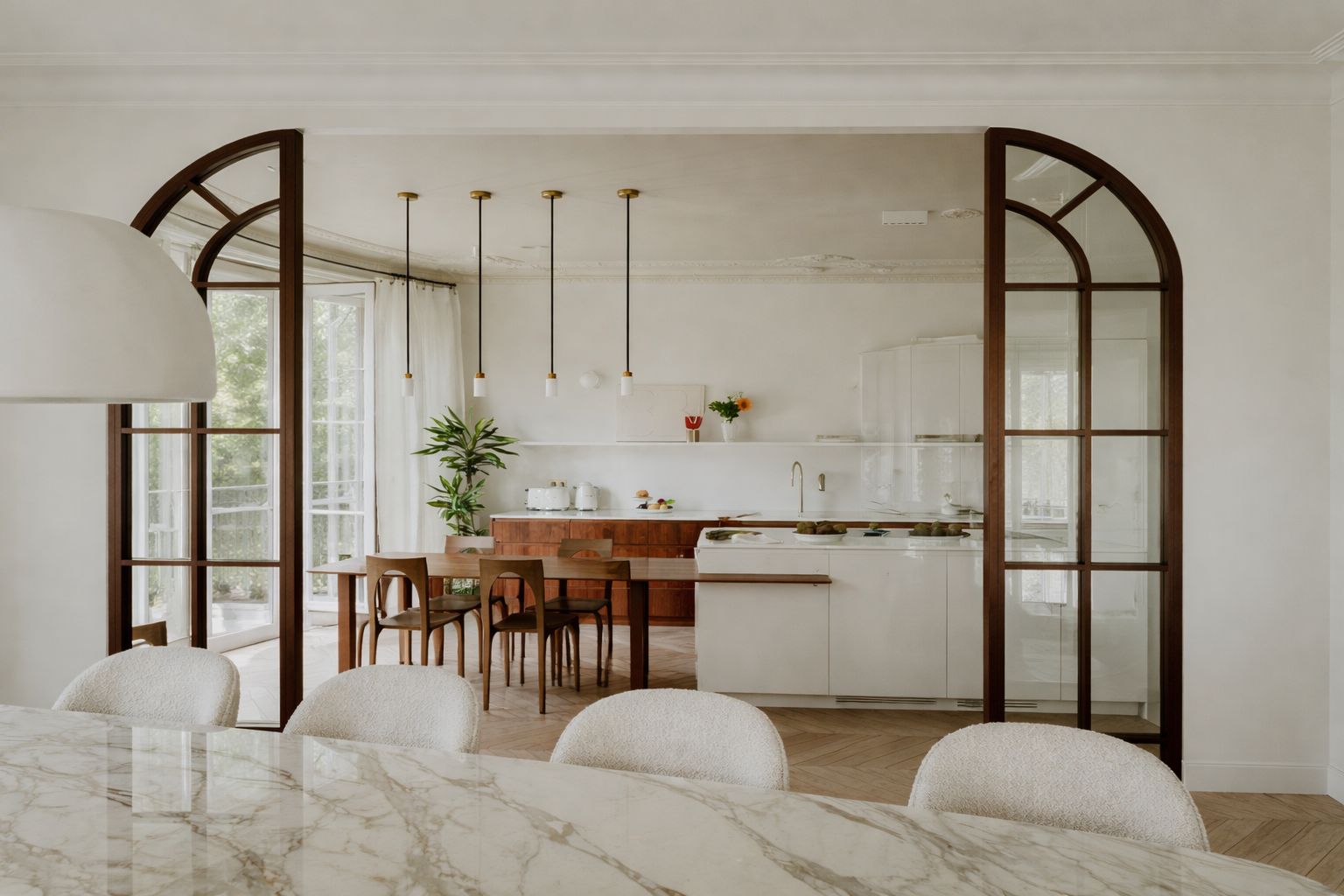
One of the easiest ways to create a custom feel is by replacing builder-standard hardware. Cabinet handles, door hardware, and faucets may seem like small details, but collectively they have a powerful visual impact.
Swapping basic chrome or standard finishes for warmer metals or mixed materials can instantly modernize and elevate your home. Consistency is key — aim to keep finishes cohesive throughout the home so everything feels intentional and connected.
This is a relatively low-cost upgrade that delivers a high-end result.
Introduce Warmth Through Texture and Layering
Many new builds feature smooth surfaces and minimal texture, which can make spaces feel flat or sterile. Introducing layered materials brings warmth and visual interest.
Think:
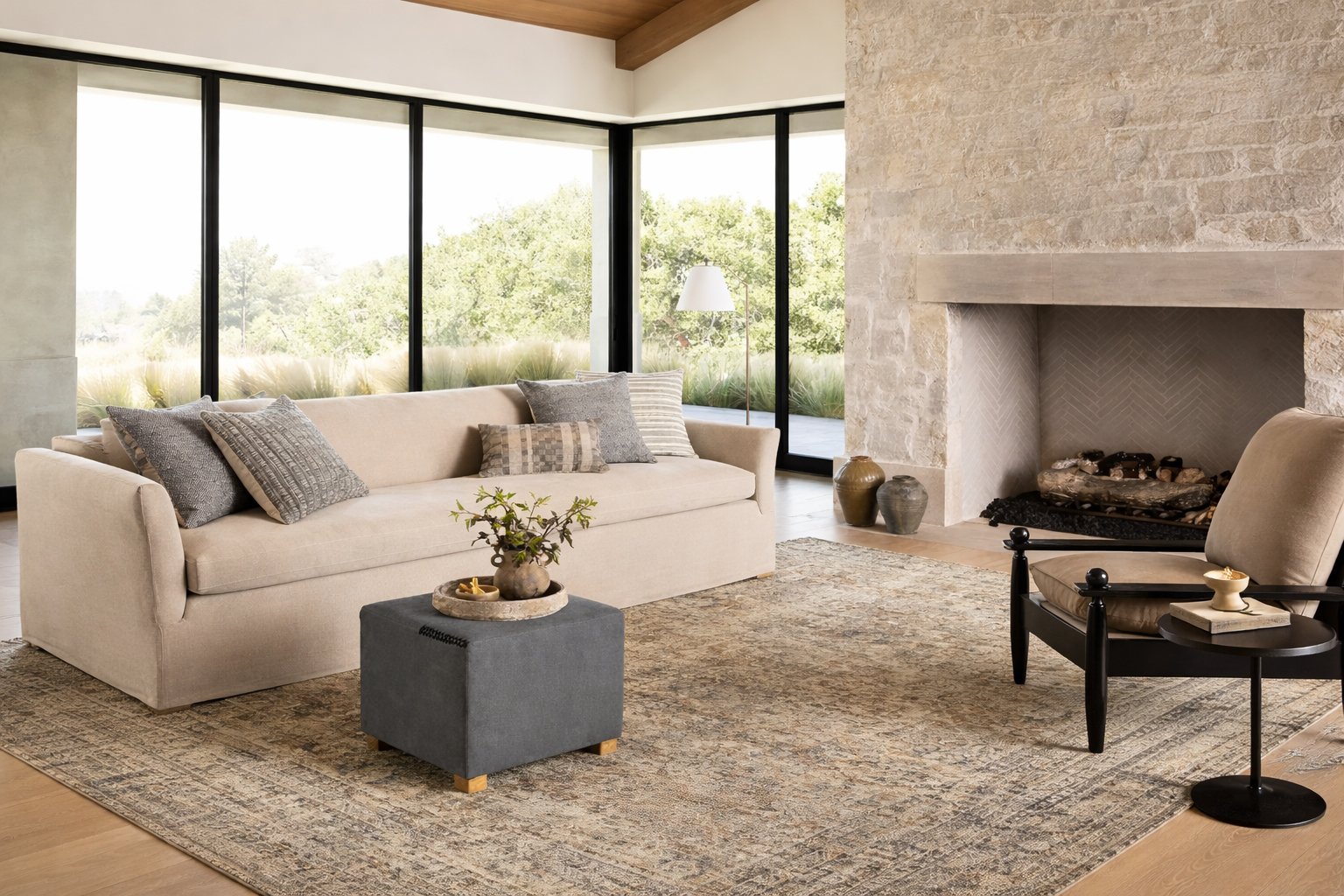
Soft area rugs to ground each space
Linen or textured drapery instead of basic blinds
Wood tones to add warmth and contrast
Accent chairs, pillows, and throws to soften clean lines
Texture is what transforms a home from “nice” to “inviting.” The goal is to create a space that feels lived-in and welcoming while still refined.
Create Custom Moments Throughout the Home
Custom homes often include thoughtful, intentional moments that feel tailored to the homeowner’s lifestyle. You can achieve this same feeling by focusing on a few key areas.
Consider adding:
Styled built-ins or floating shelves
A custom-feeling mudroom or entry drop zone
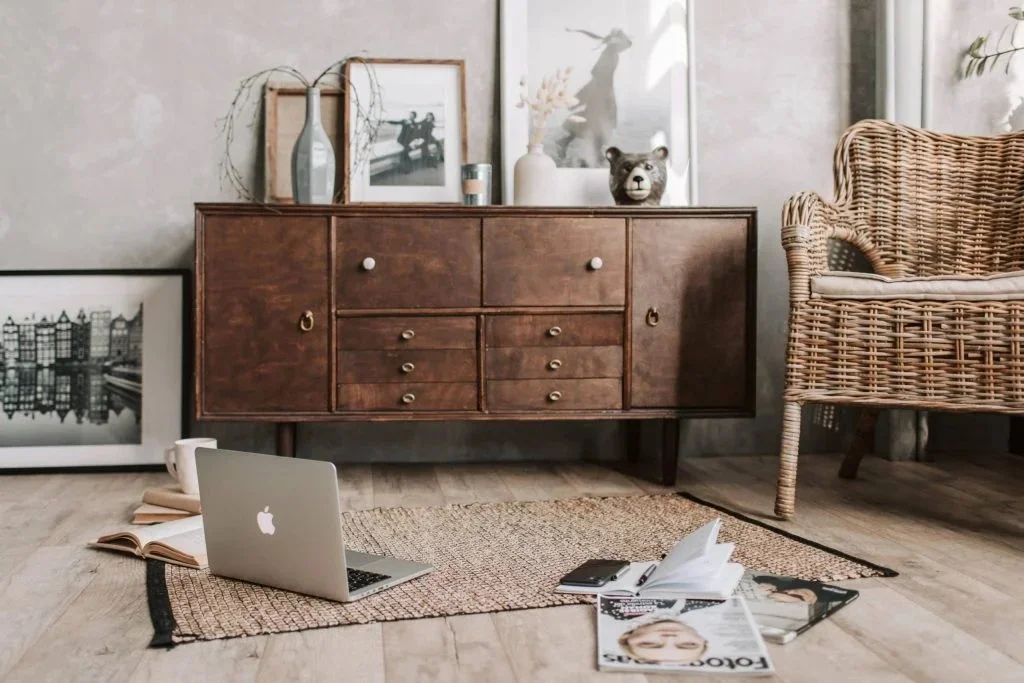
A reading nook or feature chair in an unused corner
Artwork or oversized mirrors to anchor main walls
These moments don’t require a full renovation, but they add personality and purpose — two things builder-basic homes often lack.
Focus on Cohesion from Room to Room
One of the biggest differences between a standard home and a custom-feeling home is flow. When finishes, colours, and materials feel connected from space to space, the entire home feels more intentional and elevated.
This doesn’t mean every room needs to be the same colour. Instead, aim for a consistent palette and design direction that carries throughout the home. Repeating similar tones, textures, and finishes creates visual harmony and a more polished overall look.
Final Thoughts
A builder-grade home is actually the perfect blank canvas. With the right design choices, it can be elevated into a space that feels warm, custom, and completely personal — without the cost or disruption of a full renovation.
Thoughtful lighting, upgraded details, layered textures, and a cohesive vision can transform a standard home into one that feels beautifully curated and uniquely yours.
If you’re living in a newer home and feel like it’s missing that custom touch, the solution often isn’t starting over — it’s making smarter, more intentional design decisions that bring the space to life.