Design Decisions Buyers Notice Immediately (and How They Impact Your Home’s Value in Winnipeg)
As the New Year begins, many homeowners start setting intentions for the year ahead—and in Winnipeg, a surprising number of those goals include a move in 2026. Whether you’re planning to list later this year or you’re simply being proactive, the design decisions you make now can directly influence how quickly your home sells and how strong your offers are when it hits the market.
Winnipeg buyers are highly intuitive and value-driven. They care deeply about condition, comfort, and whether a home feels move-in ready—especially given our climate, seasonal market shifts, and competitive price brackets. Buyers often form an opinion within moments of walking through the door, long before they review features, square footage, or price. Those reactions are emotional first, logical second.
Understanding what buyers respond to subconsciously enables sellers to prepare strategically, positioning their home to sell faster and for top dollar.
The Emotional Impact of the Entry
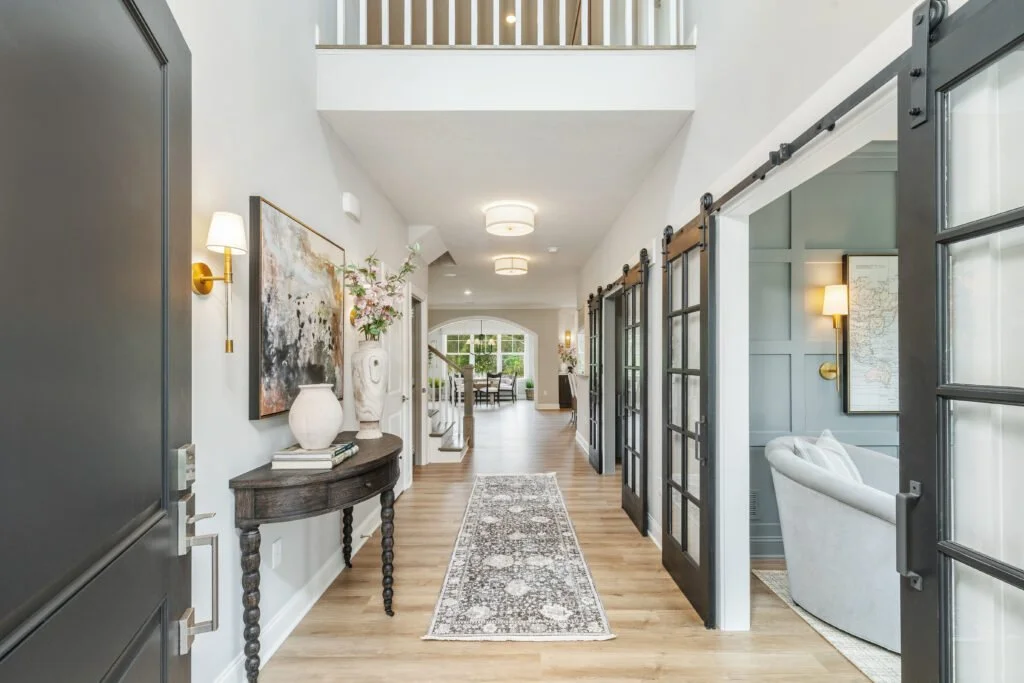
The entryway sets the emotional tone for the entire home. Buyers subconsciously assess whether the space feels welcoming, intuitive, and calm. A clear path forward, balanced lighting, and a sense of openness allow buyers to relax rather than feel overwhelmed or unsure of where to go next.
When an entry feels cluttered, dark, or visually confusing, buyers carry that discomfort with them as they move through the rest of the home. Conversely, a thoughtfully designed entry builds instant trust and confidence—signals that the home has been well cared for and thoughtfully planned.
Source: Pinterest
Light: One of the Strongest Psychological Drivers
Light influences how buyers perceive almost everything—from cleanliness to ceiling height to overall mood. Bright homes are consistently perceived as larger, newer, and better maintained, even when the actual finishes are modest. Natural light is ideal, but layered artificial lighting is just as important.
Homes with only overhead lighting often feel flat or harsh. Thoughtful layering—ambient lighting for overall glow, task lighting for function, and accent lighting for warmth—creates depth and comfort. Equally critical is colour temperature: lighting that’s too cool can feel clinical, while lighting that’s too warm can skew dated. When lighting is balanced correctly, buyers simply feel “good” in the space without knowing why.
Flow, Movement, and Spatial Ease
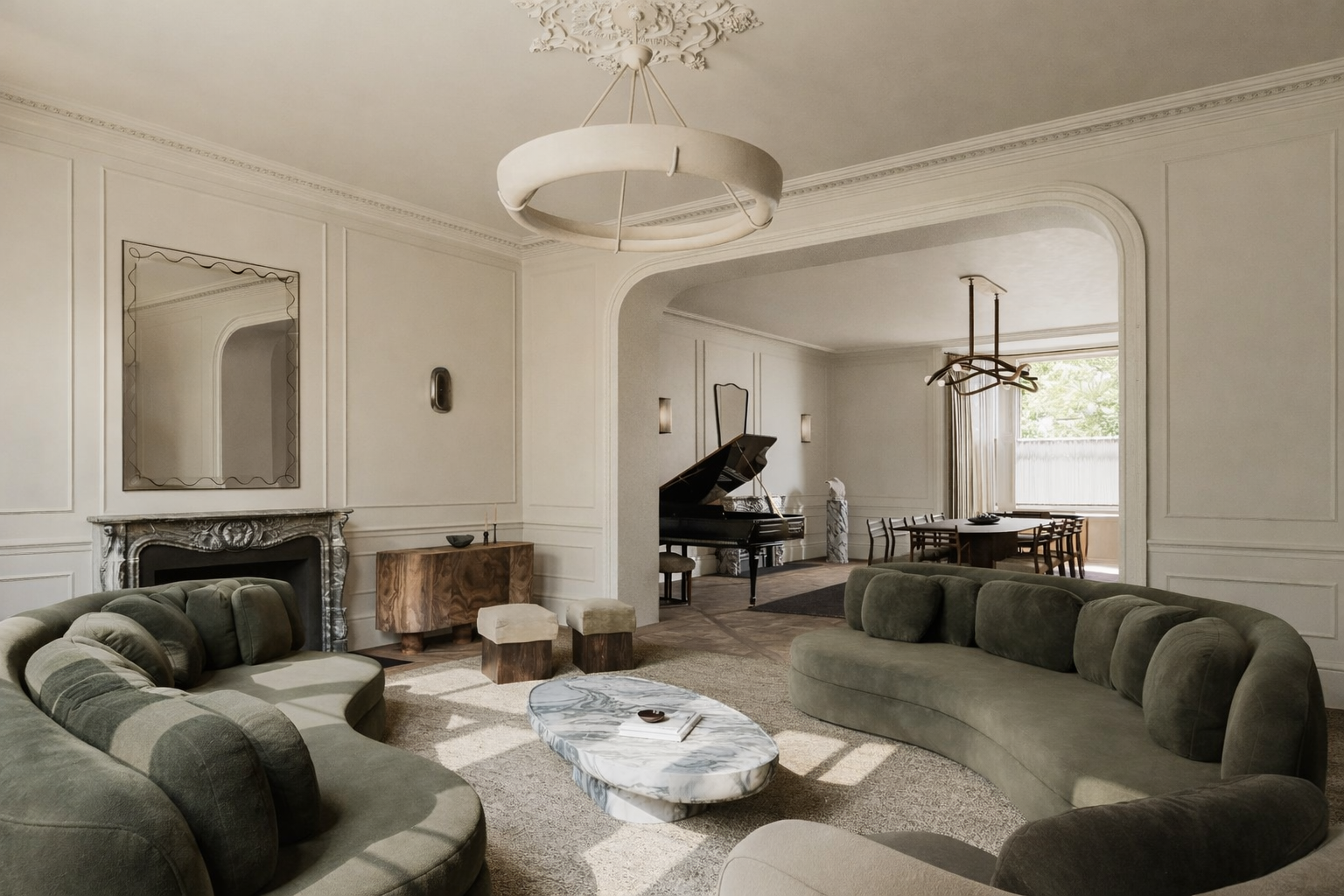
Buyers instinctively test how a home functions by how it moves. Rooms that feel easy to navigate, furniture that’s properly scaled, and walkways that aren’t obstructed allow the brain to process the space effortlessly. This sense of ease is incredibly powerful.
When a home feels tight or awkward—even subtly—buyers often interpret it as a layout problem or assume the home won’t suit their lifestyle. In reality, it’s often a design issue, not a structural one. Proper spacing, thoughtful furniture placement, and visual breathing room make a home feel intuitive and livable.
Source: Banda Studio
Consistency Creates Confidence
Consistency in finishes, colours, and materials sends a strong subconscious message: this home was designed with intention. When buyers encounter too many competing styles or abrupt transitions, it creates visual noise that feels unsettling—even if each finish is attractive on its own.
Inconsistent design often leads buyers to assume there will be future work, hidden costs, or decisions they’ll need to undo. A cohesive palette and material story creates calm, reduces mental friction, and allows buyers to focus on the home itself rather than what feels “off.”
The Feel of Everyday Touchpoints
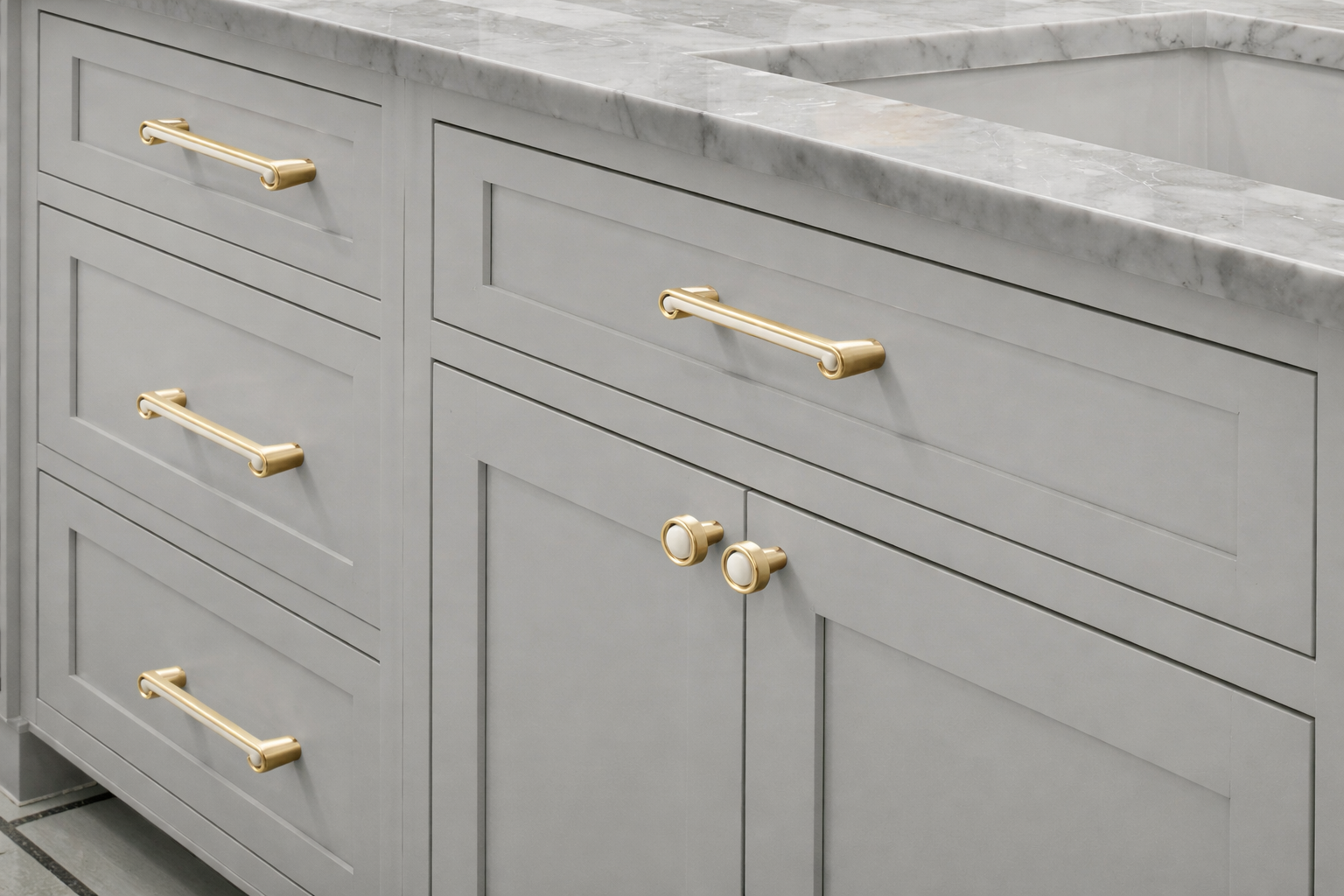
Buyers interact with a home constantly during a showing—opening doors, pulling drawers, turning faucets, flipping switches. These small moments matter more than most sellers realize. When these elements feel solid, smooth, and well-installed, buyers subconsciously register quality.
If hardware feels loose, fixtures feel lightweight, or doors don’t close properly, buyers begin to question the overall care of the home. Even if everything else looks beautiful, poor tactile experiences quietly erode confidence.
Source: Vuugu
Vertical Balance and Perceived Height
Ceiling height plays a larger role in buyer perception than actual measurements suggest. Even standard-height ceilings can feel taller or shorter depending on how the vertical space is treated. Window coverings hung too low, light fixtures that are improperly scaled, or heavy visual weight at eye level can compress a room.
When the eye is guided upward—through correctly placed drapery, balanced millwork, and thoughtful lighting—spaces feel more open and elevated. Buyers may never comment on ceiling height, but they absolutely feel the difference.
Colour That Supports Emotion, Not Distraction
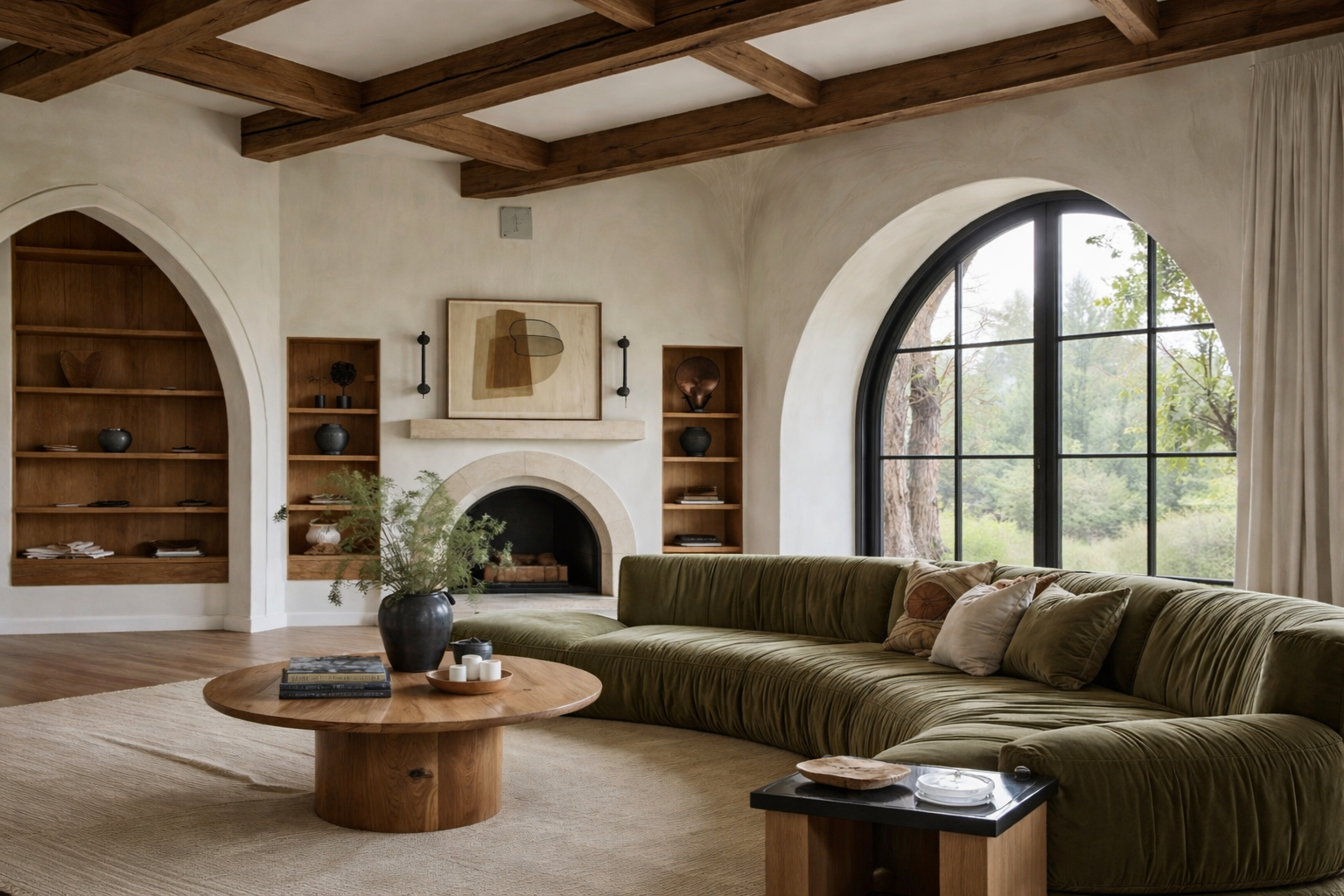
Colour has a direct impact on how safe, calm, or overstimulated a buyer feels in a space. Buyers respond best to palettes that feel intentional, balanced, and timeless. Overly bold or trendy colours can create hesitation, while overly flat palettes can feel uninspired.
The goal is not to remove personality, but to create a backdrop that allows buyers to emotionally settle into the space. When colour supports the architecture rather than competing with it, buyers feel grounded and comfortable almost immediately.
Source: Pinterest
A Design Insight Most Sellers Overlook
Buyers don’t fall in love with features alone—they fall in love with how a home makes them feel. When design decisions reduce stress, improve clarity, and create comfort, buyers move through a home with confidence. That confidence often translates into stronger emotional attachment and, ultimately, stronger offers.
Good design works quietly. Its impact is felt long before it’s consciously understood.
Thinking About Selling in 2026? Here’s Your Next Step
If a move is on your 2026 vision board, now is the ideal time to start planning. Early preparation allows you to make strategic design updates, spread out costs, and position your home confidently—without last-minute stress or rushed decisions.
A proactive design and resale strategy can:
Help your home sell faster
Increase buyer confidence
Reduce negotiation friction
Maximize your final sale price
If you’d like guidance on how to prepare your home specifically for Winnipeg buyers—whether you’re six months or a year out—I’m happy to help you create a clear, value-driven plan that works for your timeline and goals.
Final Thoughts
The most effective design decisions aren’t flashy or trend-driven. They’re thoughtful, cohesive, and rooted in how people actually experience space. When design aligns with buyer psychology, homes don’t just show better—they feel better.
Whether you’re preparing to sell or simply want your home to function and flow at a higher level, understanding these subtle design cues allows you to make decisions that truly move the needle—both emotionally and financially.