5 Interior Design “Rules” You Should Break
Design rules can be helpful, but they can also box us into spaces that feel flat, predictable, or simply not us. The most memorable homes aren’t the ones that follow every guideline—they’re the ones that layer character, contrast, and confidence.
Design rules can be helpful, but they can also box us into spaces that feel flat, predictable, or simply not us. The most memorable homes aren’t the ones that follow every guideline—they’re the ones that layer character, contrast, and confidence. As we move into 2025, it’s time to let go of outdated beliefs and embrace a more thoughtful, expressive approach to design. Here are five “rules” worth breaking—and how doing so can transform the way your home looks and feels.
1. Mixing Wood Tones Creates Depth (Here’s How to Get It Right)
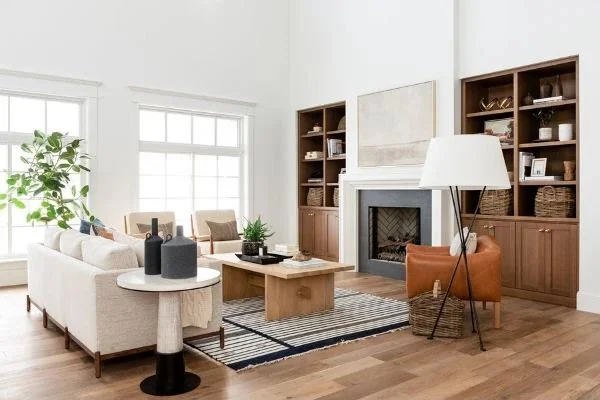
For years, matching wood tones was considered the safe choice. But when everything blends too perfectly, a room can fall flat. Mixing wood species, grains, and undertones brings warmth and dimension to your space—much like layering fabrics or metals.
The key is balance. Choose one dominant wood tone (often your flooring) and let the others play supporting roles in varying shades. For example, pairing a cooler walnut side table with a light oak console creates beautiful contrast, while a single black-stained piece can anchor the room. When the tones share a common thread—either similar temperature or grain pattern—the mix feels intentional, not chaotic.
Source: Studio McGee
2. Small Rooms Don’t Need Small Furniture
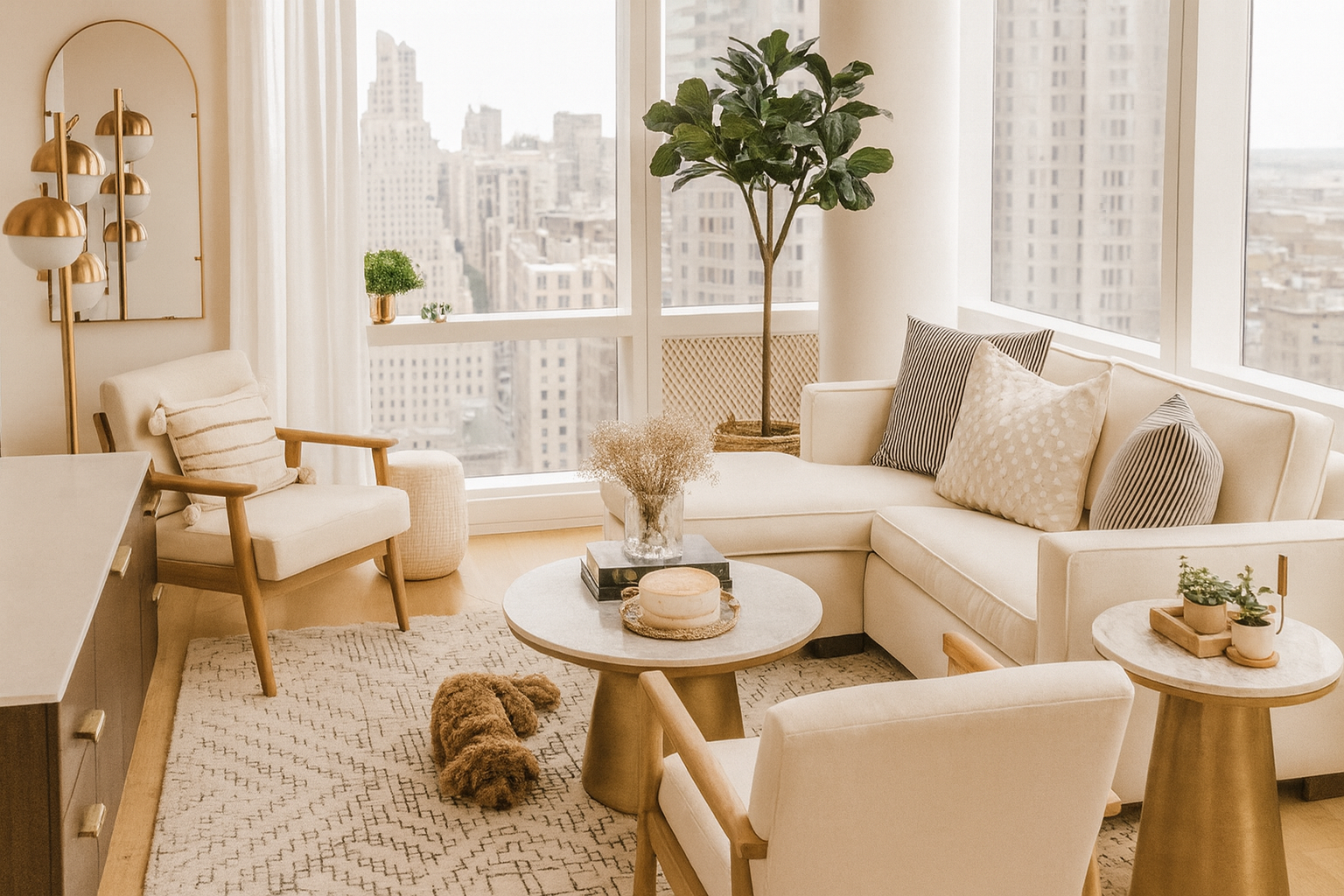
This is one of the most common myths in design. Small rooms actually suffer when the furniture is undersized—it makes the space feel cramped and unsure of itself. Instead, scale up. A full-size sofa, a larger area rug, or a generous nightstand creates the illusion of more space by giving the eye clear, uninterrupted lines.
The trick is choosing fewer pieces, not smaller ones. One great statement item has more impact than several petite pieces competing for attention. In a small room, confidence is everything.
Source: Pinterest
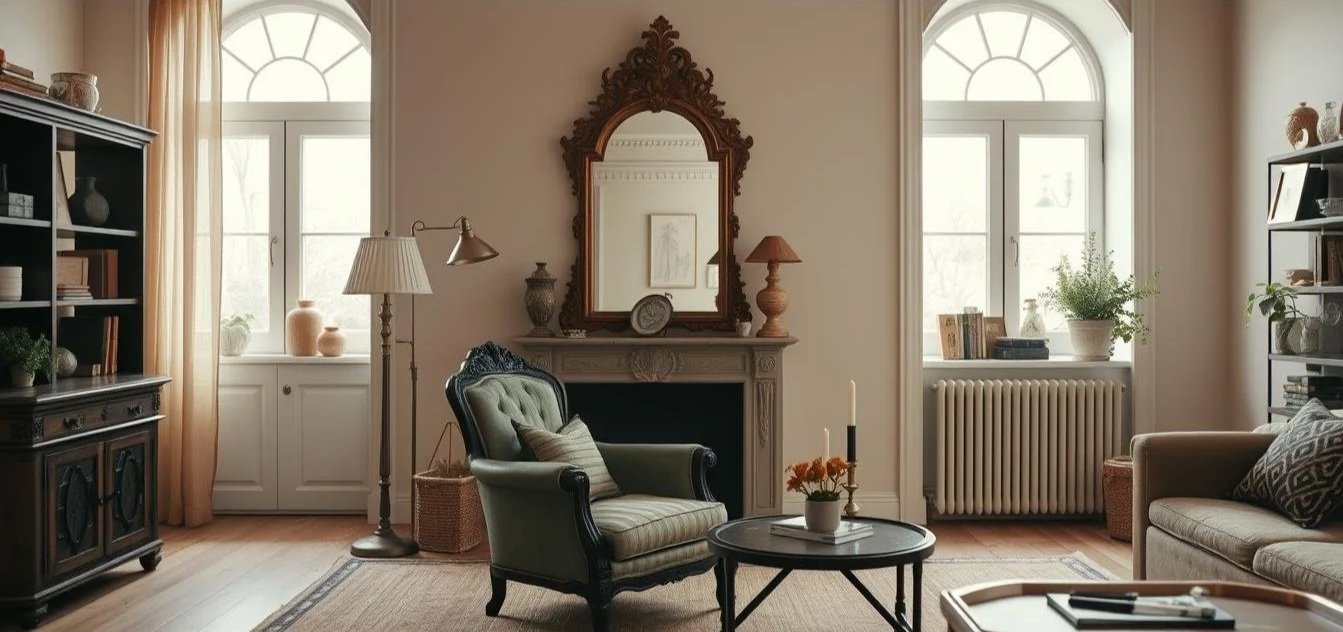
3. Embrace Imperfect Vintage Pieces in Modern Homes
A home that feels “collected” will always read as more soulful than one that looks straight out of a catalogue. This is where vintage comes in. Whether it’s a worn leather chair, an antique dresser with patina, or a perfectly-imperfect ceramic lamp, these pieces bring history, warmth, and texture.
Vintage elements work especially well in modern homes because they soften sharp edges and add personality. The goal isn’t perfection—it’s contrast. Those little nicks, chips, and stories woven into older pieces make a room feel lived-in and grounded. Mixing old and new tells the story of a home that has evolved, not one that was decorated in a weekend.

Source: Inspire Your Nest
4. Dark Colours Can Make a Room Feel Bigger—Not Smaller
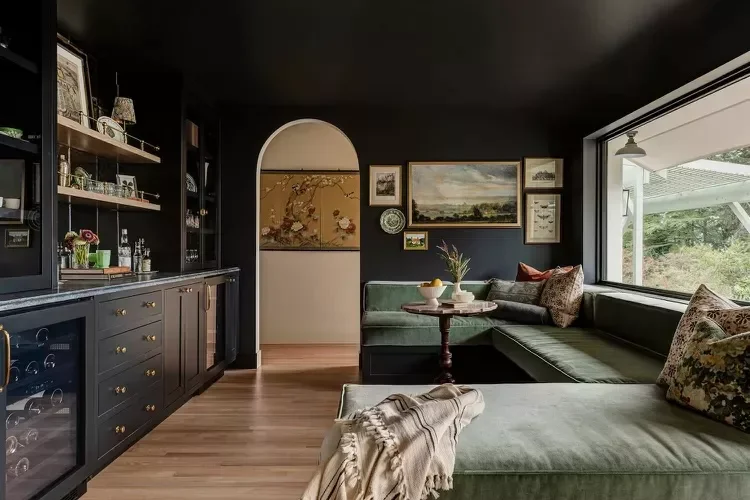
There’s a long-standing belief that dark paint closes a room in. In reality, deeper tones can actually push your walls outward visually, creating a cocoon-like sense of spaciousness. Charcoal, forest green, espresso, and even deep navy can make a small room feel dramatic, cozy, and surprisingly expansive.
Dark colours blur corners and edges, making the boundaries of the room less defined. When paired with warm lighting and a lighter-toned sofa or rug, the effect is elevated and luxurious. It’s proof that bold doesn’t have to mean overpowering.
Source: The Spruce
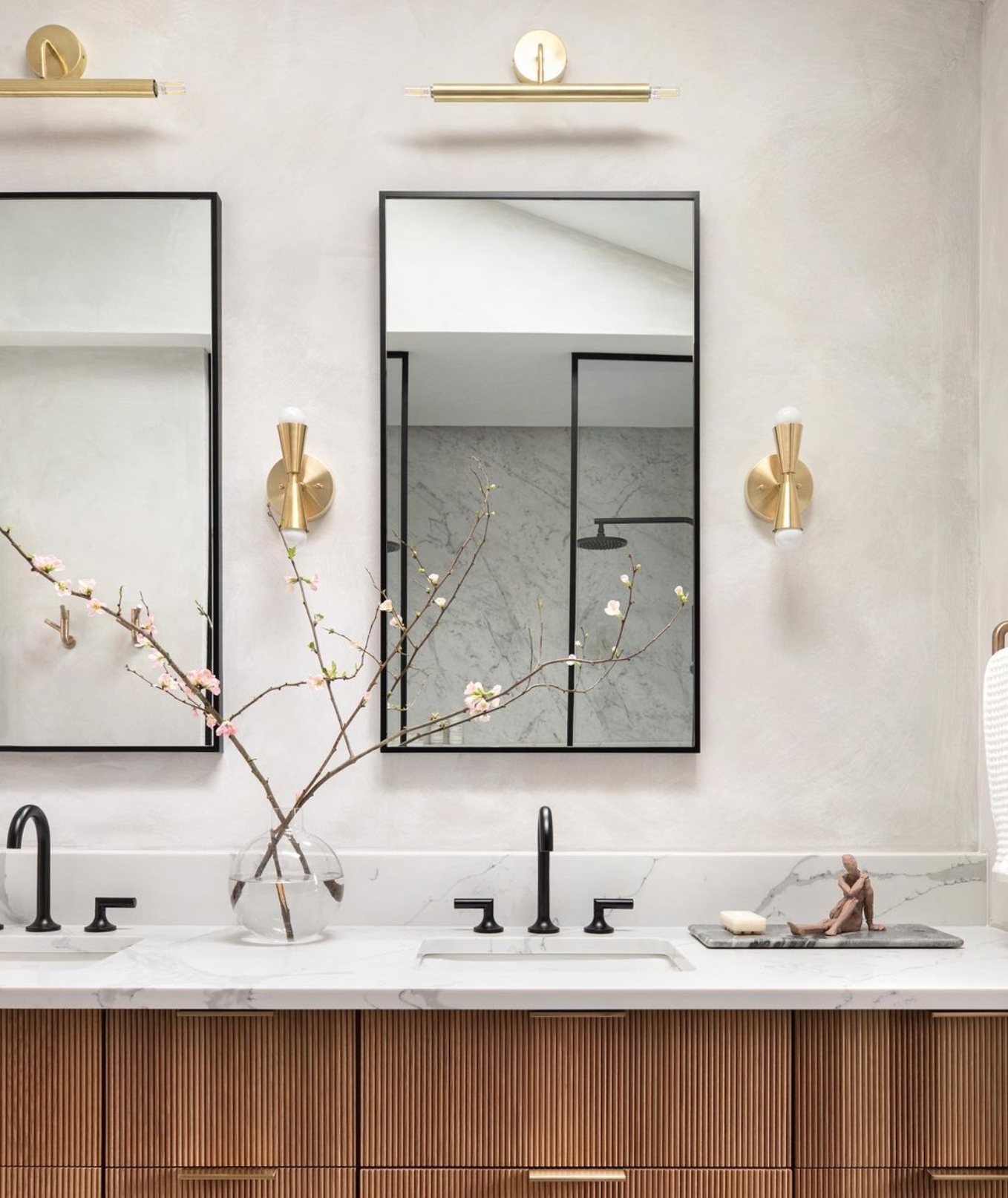
5. Layering Metals Without Creating Chaos
Mixing metals brings richness and visual interest to a room—when it’s done with intention. Instead of committing to a single finish throughout your home, blend a few that complement one another. Think of your dominant metal as your “base,” and the others as accents that add personality.
For example, brushed nickel and aged brass pair beautifully because one is cool and one is warm, creating balance. Matte black is a grounding finish that ties almost everything together. The key is repetition: carry each finish through the room at least twice so it looks curated rather than accidental.
Source: The Nested Method
Final Thoughts
Design is becoming less about rigid rules and more about creating spaces that feel honest, personal, and beautifully layered. When you give yourself permission to break the old guidelines, you open the door to a home that feels collected, confident, and entirely your own.

Space Planning Secrets: How to Make Every Square Foot Count
Before you pick up a paintbrush or order that gorgeous new sofa, start with the bones of the space — how it functions. Space planning is the unsung hero of great design. It’s what separates homes that look nice from homes that live well. Whether your home is 800 square feet or 2,800, the way your rooms flow and connect has the biggest impact on how comfortable and functional they feel.
The Foundation of Great Design
Before you pick up a paintbrush or order that gorgeous new sofa, start with the bones of the space — how it functions. Space planning is the unsung hero of great design. It’s what separates homes that look nice from homes that live well. Whether your home is 800 square feet or 2,800, the way your rooms flow and connect has the biggest impact on how comfortable and functional they feel.
As both a real estate agent and interior designer, I see it all the time: perfectly styled homes that somehow still feel awkward. Often it’s because the furniture placement fights the architecture, or the open-concept layout lacks warmth and intimacy. Proper planning is about finding that balance — where every square foot has a purpose, and the space feels both intentional and inviting.
Start with Function, Not Furniture
Before bringing anything into a room, ask yourself: What do I need this space to do for me? Your lifestyle should dictate the layout — not the other way around. A room designed for entertaining will look very different from one designed for quiet evenings or family movie nights. Begin by mapping out your daily flow: where do you drop your keys, have your morning coffee, or fold laundry? Those real-life details should drive the design.
Once you understand how you live in the space, divide it into zones that serve those needs. For example, an open-concept main floor might have a defined dining area centred under a statement light fixture, while the living area is grounded by a rug and anchored with a sofa and chairs that encourage conversation. The goal is to ensure that every activity — dining, lounging, working, or playing — has a dedicated zone, and that there’s a clear, unobstructed path between them.

Source: Houzz
Mind the Flow — Give Every Path Breathing Room
Good design feels effortless, and that’s largely due to flow. Each piece of furniture should relate naturally to the next, guiding movement and conversation without feeling cramped or forced. Ideally, you want 30 to 36 inches of walking space between major pieces, allowing for easy movement through high-traffic areas like around a dining table or from the living room to the kitchen.
Don’t make the common mistake of pushing every piece against the wall. Floating your sofa or accent chairs inward creates intimacy and helps define a room’s centre. In open-concept spaces, area rugs are your best friend — they visually separate zones and bring cohesion without adding walls. Also pay attention to sightlines: when you enter a room, your eyes should land on a focal point like a fireplace, window, or beautiful piece of art — not the back of a couch.
Scale and Proportion Are Everything
Even the best floor plan can fall apart if the scale is off. Oversized sectionals can overwhelm a modest living room, while a small rug or dainty coffee table can make a large space feel unfinished. Always measure before you buy. As a rule of thumb, your sofa should take up about two-thirds of the wall it sits on, and your rug should be large enough for at least the front legs of your furniture to sit comfortably on it.
One of my favourite tricks is to use painter’s tape to outline potential furniture pieces directly on the floor. It’s a simple, inexpensive way to visualize how each piece will fit and how people will move around it before making a single purchase. Balance is key — pair heavier pieces with lighter ones, and mix solid forms (like a chunky sideboard) with open, airy ones (like a glass coffee table) to keep things visually balanced.

Source: Cachet
Design Smart: Multi-Functional Furniture and Flexible Layouts
A well-planned space doesn’t just look beautiful — it adapts to your lifestyle. This is especially true for smaller homes, condos, or secondary suites, where every square foot counts. Think beyond traditional uses: an ottoman with hidden storage can hold extra blankets, a dining bench can double as hallway seating, and a console table can serve as both a drop zone and a small desk.
The key is versatility. Extendable dining tables, nesting side tables, and sofa beds allow a single room to shift seamlessly between everyday living and entertaining. When each piece serves more than one purpose, you reduce clutter, simplify your space, and make your home work harder for you.
Don’t Forget the Vertical Space
When you’re short on square footage, look up. Maximizing vertical space adds both function and drama. Floor-to-ceiling curtains elongate walls and make ceilings feel higher. Floating shelves provide storage without taking up precious floor area, while wall sconces free up tabletops for décor or personal items.
Built-in cabinetry that extends all the way to the ceiling not only looks custom and polished but also makes the most of every inch. In living spaces, vertical art arrangements or tall mirrors can draw the eye upward and add visual interest. The goal is to make your walls work just as hard as your floors do.

Source: Home & Garden
Use Lighting to Define and Enhance Space
Lighting plays an enormous role in how a space feels and functions. It can separate zones, create mood, and highlight your home’s best features. Instead of relying on one central light fixture, think in layers: overhead lighting for overall brightness, task lighting for function, and accent lighting for warmth and atmosphere.
In open-concept homes, lighting can subtly define areas — a pendant over the dining table, a floor lamp anchoring a reading nook, or sconces framing the sofa. If you want to make your space feel larger, focus on lighting the perimeter of the room. Soft wall washes or strategically placed lamps will expand the feeling of depth, while dimmers help you transition the mood from lively to relaxing in seconds.
Design with Intention
Space planning isn’t just about where your furniture goes — it’s about how your home supports your lifestyle. The most beautiful spaces are the ones that feel right when you move through them. When function and flow come first, everything else — the furniture, the finishes, the décor — simply falls into place.
So whether you’re furnishing your first condo, redesigning your family home, or preparing a property for resale, take the time to plan with intention. Because when your space works for the way you live, it’s not just stylish — it’s timeless.

The ROI of Design: How Smart Renovations Increase Your Home’s Value
When it comes to homeownership, renovations are about more than just making your space feel new again—they’re an investment strategy. Whether you’re planning to sell soon or simply want to protect your long-term equity, the design decisions you make today will influence tomorrow’s property value.
When it comes to homeownership, renovations are about more than just making your space feel new again—they’re an investment strategy. Whether you’re planning to sell soon or simply want to protect your long-term equity, the design decisions you make today will influence tomorrow’s property value. In a market like Winnipeg, where buyers are highly value-conscious and inventory moves fast, knowing which updates deliver the best return on investment (ROI) is key.
Let’s break down the renovations that truly matter when it comes to resale—and the ones that might not give you the payoff you’re expecting.
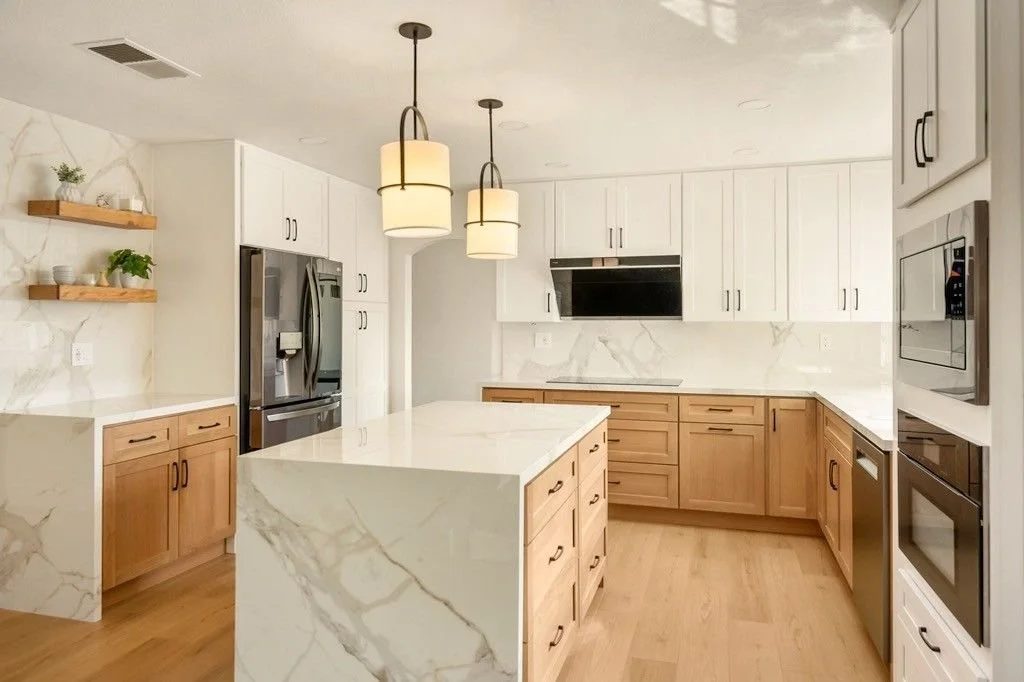
Kitchens: The Heart of ROI
It’s no surprise that kitchens top the list. In Winnipeg’s market, buyers consistently place a high value on updated, functional, and stylish kitchens. That doesn’t mean you need a $100,000 chef’s kitchen to add value. Strategic updates such as reworking the layout for better flow, adding a large island, upgrading countertops to quartz, and swapping dated cabinetry for timeless finishes deliver the most impact.
Worth it: Layout improvements, quartz or granite countertops, quality cabinetry, statement lighting, modern appliances.
Skip it: Overly trendy colours, ultra-luxury appliances (unless it’s a luxury listing), or high-end features that price your home out of the neighbourhood.
Source: Clicq Studios
Bathrooms: Function + Luxury in Balance
An outdated bathroom can be a dealbreaker. Buyers in Winnipeg are drawn to bathrooms that feel fresh, clean, and spa-inspired—but you don’t need heated floors and a rain shower system in every listing. Focus instead on modern tile, updated vanities, good lighting, and neutral palettes that feel universally appealing.
Worth it: New tile (especially in showers), double vanities where space allows, clean finishes like matte black or brushed nickel, and better lighting.
Skip it: Over-customized features, overly bold tile patterns, or jetted tubs (these rarely recoup the cost).

Source: Pinterest
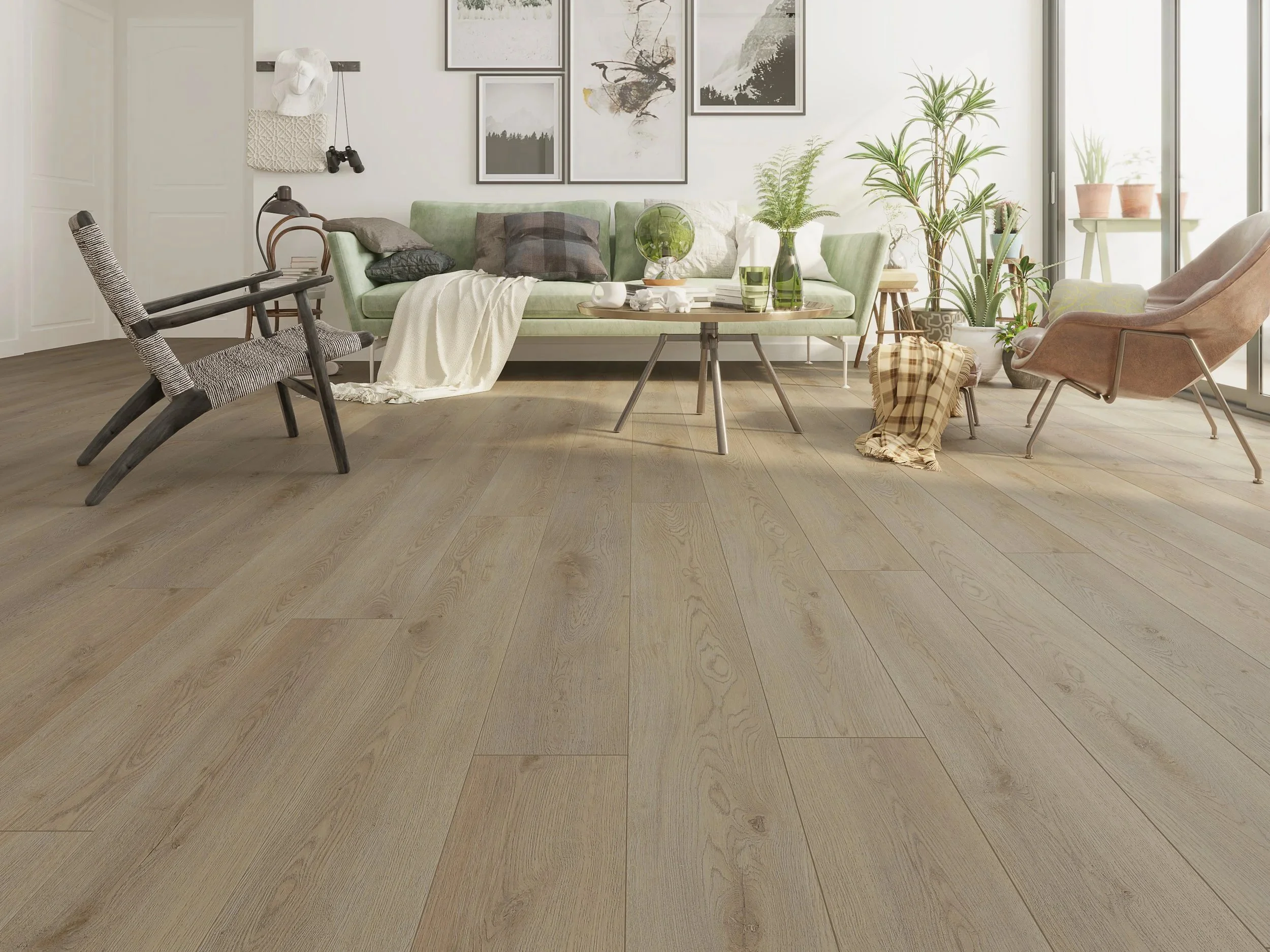
Flooring: Consistency is King
One of the biggest silent killers of resale value? Inconsistent or dated flooring. Buyers in Winnipeg expect main living spaces to have cohesive, durable, and attractive flooring—hardwood or quality luxury vinyl plank (LVP) is always a safe bet. Carpet in bedrooms is acceptable, but in living spaces it tends to feel dated.
Worth it: Upgrading to hardwood or LVP, keeping flooring consistent across main spaces, and repairing damaged areas before listing.
Skip it: Exotic hardwoods that are expensive but polarizing, or budget laminate that wears quickly.
Source: Montery Flooring
Where ROI Starts to Drop
While kitchens, bathrooms, and flooring almost always deliver a strong return, not every upgrade carries the same weight. Things like elaborate basement theatres, custom built-ins for hobbies, or high-end landscaping often don’t recoup their cost at resale. These can make your home more enjoyable while you live in it—but they’re less likely to influence buyers’ offers.
In Winnipeg, the pool of buyers is smaller than in major metro areas, which means staying aligned with market expectations is critical. Invest where buyers are already placing value, and resist the urge to “over-renovate” for your neighbourhood.
The Bottom Line
Renovations aren’t just about what looks good—they’re about what sells. In Winnipeg, buyers reward updates that improve flow, functionality, and timeless style. If you’re planning to renovate, think like both a homeowner and an investor: create spaces you love, but keep an eye on how those choices will position your property in the market.
And remember—design is not just about finishes. It’s about strategy. Smart, thoughtful updates are the secret to protecting and growing your home’s value.