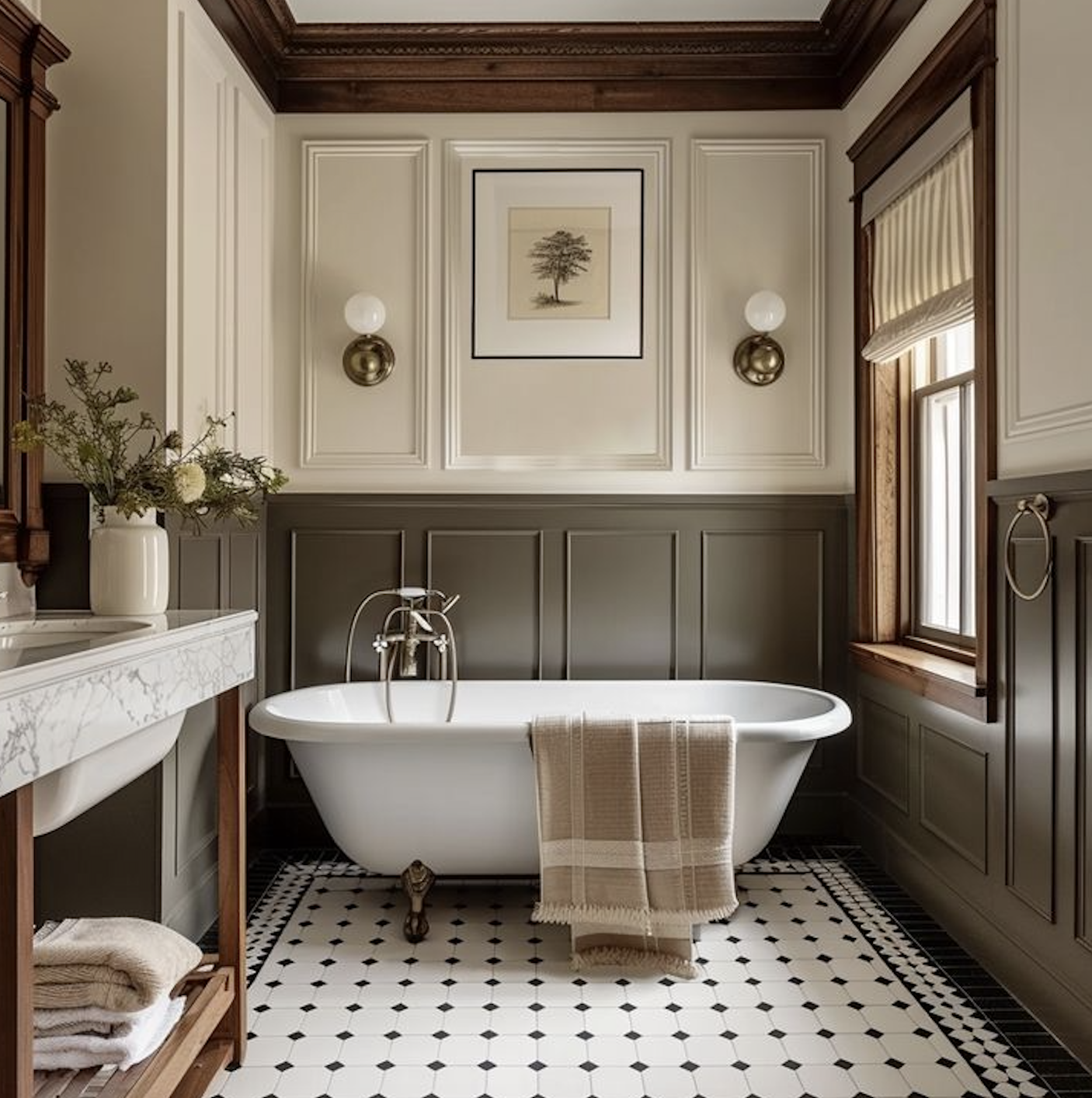
From Purchase to Perfection
Planning a successful renovation is more than just picking out new finishes and fixtures; it’s a strategic process that can significantly increase the value of your property and transform it into your dream home or a profitable investment.
How to Plan and Execute a Successful Renovation in Winnipeg
Planning a successful renovation is more than just picking out new finishes and fixtures; it’s a strategic process that can significantly increase the value of your property and transform it into your dream home or a profitable investment. Whether you’re a homeowner looking to personalize your space or an investor aiming to maximize your return, careful planning and execution are key. Here’s a comprehensive guide to help you navigate the renovation process in Winnipeg from start to finish.
Understanding the Renovation Process
1. Assess Your Needs and Set Clear Goals
Before diving into any renovation, it’s crucial to assess what you want to achieve. Are you looking to modernize an outdated kitchen, add an extra bathroom, or increase the overall square footage? Define your goals clearly, whether it's improving functionality, boosting resale value, or simply updating the aesthetics. Knowing what you want will guide every decision you make during the renovation.
2. Establish a Realistic Budget
Your budget is the foundation of your renovation project. It should include not only the cost of materials and labour but also a contingency fund for unexpected expenses, which are almost inevitable in any renovation. Be realistic about what you can afford, and prioritize the aspects of your renovation that are most important to you. Remember, over-investing in certain areas without considering the market value of similar properties in Winnipeg might not yield the best return.
3. Create a Detailed Renovation Plan
A well-thought-out plan is essential for a successful renovation. This includes a timeline for each phase of the project, a list of required materials, and a schedule for contractors. Work with professionals, such as architects or interior designers, to ensure that your plan is both feasible and aligns with your goals. If you’re an investor, focus on renovations that offer the highest ROI, such as kitchen upgrades, bathroom remodels, and adding livable space.
Selecting the Right Professionals
1. Choose a Reliable Contractor
Selecting a reputable contractor is one of the most critical decisions in your renovation process. Look for contractors with solid references, a portfolio of completed projects, and the necessary licenses and insurance. In Winnipeg, it’s important to hire someone who understands the local building codes and climate considerations. A reliable contractor will keep your project on schedule and within budget.
2. Partner with an Interior Designer
An interior designer can help you make the most of your space by offering expert advice on layout, materials, and finishes. They can also help you stay true to your vision while ensuring that your choices are practical and suited to your lifestyle or target market. If you’re renovating for resale, a designer can provide insights into current trends that appeal to Winnipeg buyers, helping to increase the marketability of your property.
3. Work with a Mortgage Broker (If Applicable)
If you’re financing your renovation through a program like the Purchase Plus Improvement, working with a knowledgeable mortgage broker is essential. They can help you navigate the complexities of the loan, ensuring you have the funds necessary to complete the renovation without financial strain.
Executing the Renovation
1. Start with Structural Changes
Before focusing on aesthetics, address any structural issues such as foundation repairs, roofing, or electrical upgrades. These changes are crucial for the safety and longevity of your home. Starting with structural elements also prevents you from having to redo any cosmetic work later on.
2. Prioritize High-Impact Areas
Kitchens and bathrooms typically offer the highest return on investment, making them key areas to focus on during a renovation. Additionally, consider adding extra living spaces like finishing basements, converting attics, or adding sunrooms—these improvements can significantly boost both functionality and property value. While high-efficiency upgrades such as new windows or insulation are beneficial, especially in Winnipeg's climate, expanding usable living space often provides an even greater return, particularly in the resale market.
3. Don’t Neglect the Details
Once the major renovations are complete, pay attention to the finishing touches that will bring your vision to life. This includes choosing the right paint colours, lighting, fixtures, and hardware. These details may seem small, but they can make a big difference in the overall feel of the space.
Final Steps and Inspection
1. Obtain Final Permits and Inspections
In Winnipeg, certain renovations require permits and inspections to ensure they meet local building codes. Make sure all necessary permits have been obtained and that inspections have been passed before you consider the project finished. This step is crucial, especially if you plan to sell the property in the future.
2. Conduct a Final Walkthrough
Before declaring your renovation complete, conduct a thorough walkthrough with your contractor. Ensure that all work has been completed to your satisfaction and that there are no outstanding issues. This is the time to address any final adjustments or corrections.
3. Enjoy Your New Space or Prepare for Sale
Once everything is in place, it’s time to enjoy your newly renovated space or prepare it for sale. If you’re selling, consider staging the home to showcase its full potential. Highlight the key renovations that set your property apart in the Winnipeg market, and use professional photos to attract buyers.
Conclusion
A successful renovation requires careful planning, a clear vision, and the right team of professionals. Whether you’re enhancing your home for personal enjoyment or preparing it for the Winnipeg real estate market, following these steps will help you achieve your goals. Remember, the journey from purchase to perfection is one that requires patience and precision, but the results are well worth the effort.
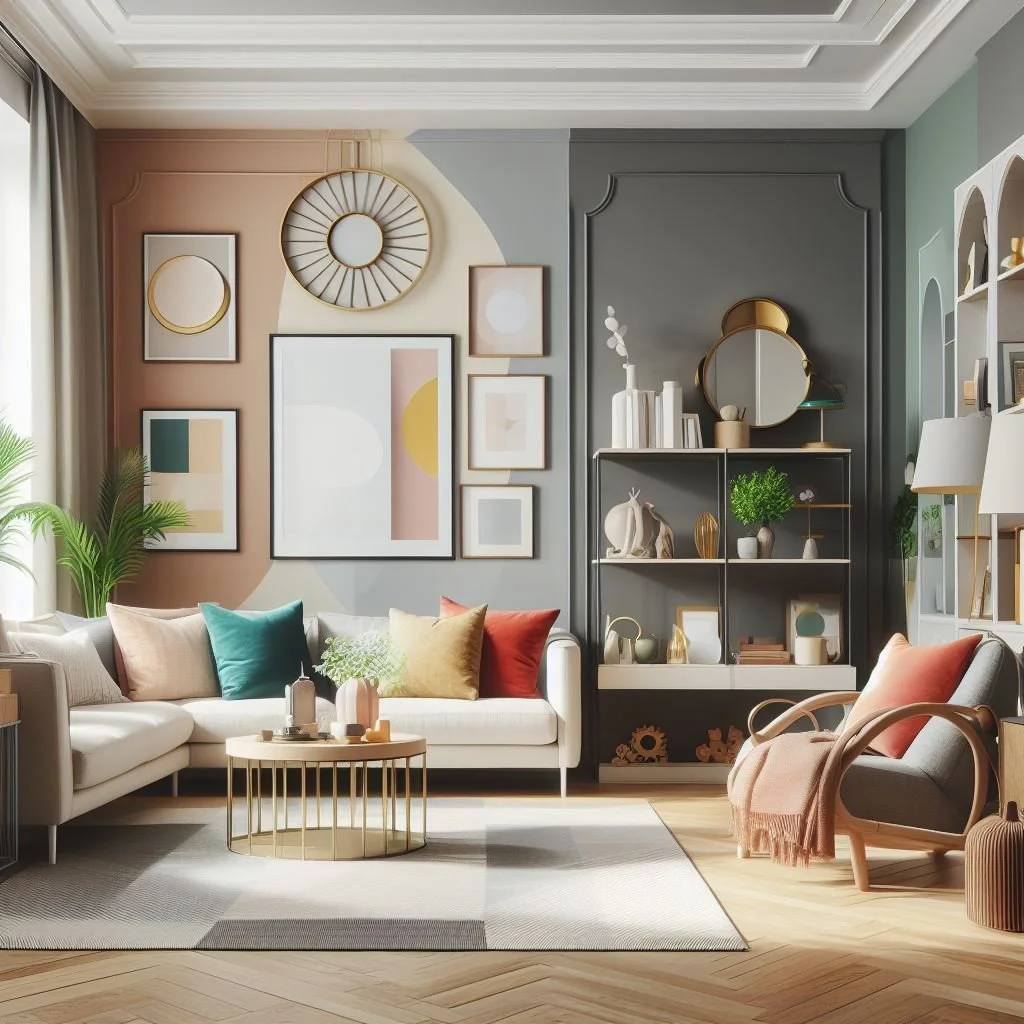
The Power of Paint: How Colour Can Transform Your Space
Choosing the right paint colour is more than just a design choice; it's a powerful tool that can transform your space, affecting both its aesthetics and your emotional well-being.
Choosing the right paint colour is more than just a design choice; it's a powerful tool that can transform your space, affecting both its aesthetics and your emotional well-being. Each colour carries its own psychological impact, influencing mood and energy levels. Here’s a guide to help you understand the effects of different colours and how to select the perfect palette for each room in your home.
Understanding the Psychological Impact of Colours
Blue: Known for its calming and serene qualities, blue can help reduce stress and create a tranquil atmosphere. It's ideal for bedrooms and bathrooms, where relaxation is key.
Green: Symbolizing nature and balance, green promotes a sense of harmony and renewal. It's versatile and works well in living rooms and bedrooms, fostering a peaceful environment.
Yellow: Bright and cheerful, yellow can energize and uplift. It's perfect for kitchens and dining areas, creating a warm and inviting space. However, too much yellow can be overwhelming, so use it sparingly.
Red: A stimulating colour, red can increase energy levels and evoke passion. It's great for dining rooms and kitchens to stimulate appetite, but might be too intense for bedrooms.
Purple: Associated with luxury and creativity, purple adds a touch of sophistication. Light shades like lavender can be calming, while deeper hues like plum add drama and elegance, making them suitable for living rooms or bedrooms.
Orange: Vibrant and enthusiastic, orange encourages creativity and excitement. It's excellent for playrooms or home gyms but may be too stimulating for more restful areas like bedrooms.
Neutral Colours (White, Grey, Beige): These colours provide a versatile and timeless backdrop, making spaces feel larger and more open. They are perfect for any room and pair well with bolder accent colours.
Tips for Selecting the Right Colour Palette for Various Rooms
1. Consider the Room’s Purpose:
- Living Room: Use warm, inviting colours like beige, soft grey, or light green to create a cozy and welcoming atmosphere.
- Kitchen: Opt for bright, stimulating colours like yellow or red to enhance the energy of the space, or choose soft blues and greens for a calm and clean feel.
- Bedroom: Choose calming colours like blue, lavender, or soft green to promote relaxation and restful sleep.
- Bathroom: Light blues, greens, and neutral tones can create a spa-like atmosphere, promoting a sense of cleanliness and relaxation.
- Home Office: Select colours that boost productivity and focus, such as light blues, greens, or even vibrant accent walls in colours like orange or yellow.
2. Test Before You Commit:
Paint a small section of the wall or use large colour swatches to observe how the colour looks at different times of the day and under various lighting conditions. Choosing the right undertone is key.
3. Use the 60-30-10 Rule:
Create a balanced colour scheme by following the 60-30-10 rule: 60% of the room should be the dominant colour (walls), 30% the secondary colour (upholstery), and 10% an accent colour (decorative accessories).
4. Balance Bold Colours with Neutrals:
Balance bold colours with neutral tones to prevent the space from feeling overwhelming.
5. Consider the Flow Between Rooms:
Ensure a harmonious flow of colours from one room to the next, especially in open-concept homes. This creates a cohesive and unified look.
6. Use Colour to Highlight Architectural Features:
Paint mouldings, trim, or built-in shelves in a contrasting colour to highlight these features and add visual interest.
By understanding the psychological effects of colours and applying these tips, you can transform your home into a space that not only looks beautiful but also feels just right for you and your family. Remember, the power of paint goes beyond mere aesthetics—it shapes the ambience and functionality of your home. Happy painting!
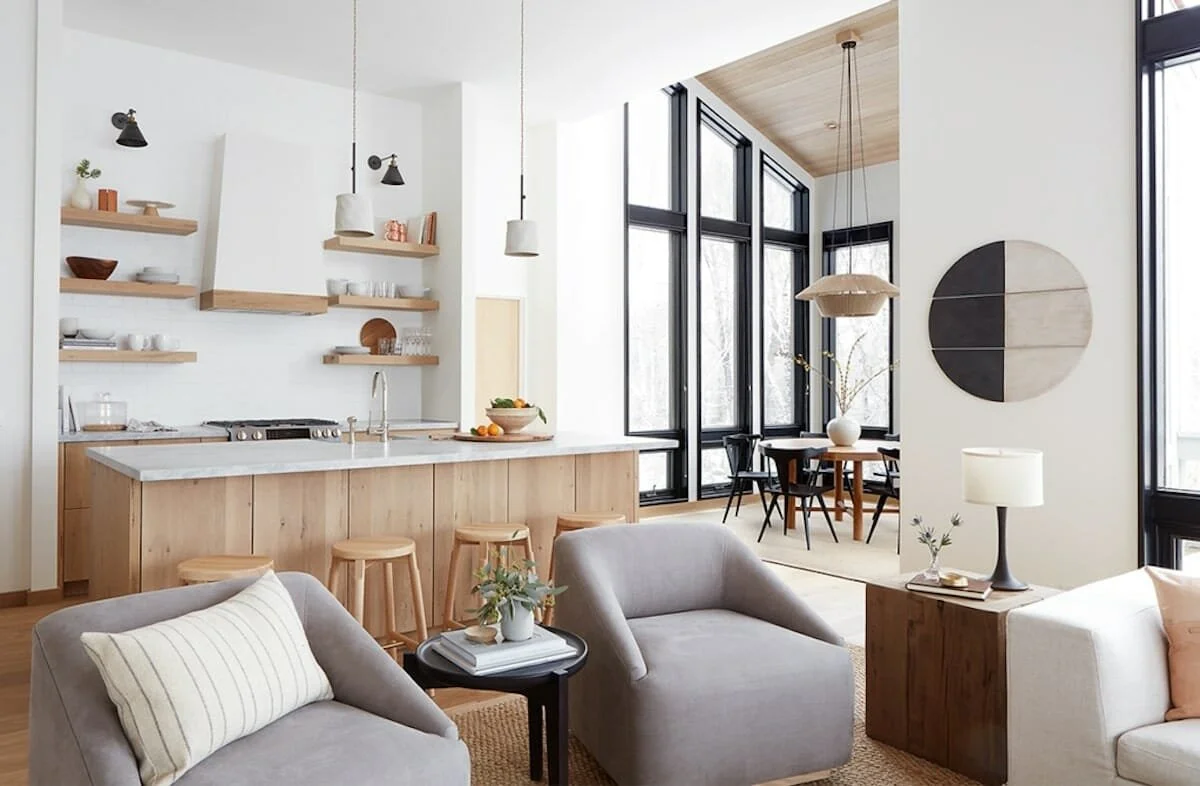
How to Incorporate Modern Design Elements into Your Home
Modern design is all about creating spaces that are both functional and aesthetically pleasing. It emphasizes simplicity, clean lines, and a neutral colour palette, often with pops of bold colours or unique textures. If you're looking to give your home a modern update, here are some key elements to consider.
Modern design is all about creating spaces that are both functional and aesthetically pleasing. It emphasizes simplicity, clean lines, and a neutral colour palette, often with pops of bold colours or unique textures. If you're looking to give your home a modern update, here are some key elements to consider.
1. Open Floor Plans
Open floor plans continue to be a hallmark of modern design. By removing walls and barriers, you can create a sense of spaciousness and fluidity throughout your home. This layout allows for better natural light flow and encourages social interaction, making your home feel more welcoming and connected. Consider combining your kitchen, dining, and living areas into one open space to enhance the modern feel.
2. Natural Materials
Incorporating natural materials is a key element of modern design. Wood, stone, and metal add warmth and texture to a space, creating a harmonious balance between the indoors and outdoors. A wooden dining table, a stone feature wall, or metal light fixtures can enhance the modern aesthetic while adding an organic touch.
3. Geometric Patterns
Geometric patterns are a staple of modern design, adding visual interest and a contemporary feel. These patterns can be introduced through rugs, wallpapers, or even furniture. Opt for bold, contrasting colours or subtle, monochromatic schemes depending on the overall look you want to achieve.
4. Minimalist Aesthetic
Embrace the mantra "less is more" with a minimalist approach. This means decluttering and focusing on essential pieces that offer both form and function. Opt for furniture with clean lines and simple shapes, and avoid excessive ornamentation. The goal is to create a serene and uncluttered environment that promotes relaxation and efficiency.
5. Neutral Colour Palettes
A neutral colour palette forms the foundation of modern design. Shades of white, gray, and beige are commonly used to create a calm and cohesive look. These colours can make a space feel larger and more open. To add interest and prevent the space from feeling too sterile, incorporate different textures and materials, such as a plush rug, a velvet sofa, or a wooden coffee table.
6. Bold Accent Colours
While neutral tones dominate modern design, bold accent colours can add personality and vibrancy to your space. Consider incorporating pops of colour through accessories like cushions, artwork, or a statement piece of furniture. Bright yellows, deep blues, and rich greens are popular choices that can create a striking contrast against a neutral backdrop.
7. Indoor-Outdoor Living
Blurring the lines between indoor and outdoor spaces is a popular trend in modern design. Large windows, sliding glass doors, and outdoor living areas can create a seamless transition between your home's interior and exterior. This connection to nature enhances the feeling of openness and provides additional space for relaxation and entertainment.
8. Functional Lighting
Lighting is crucial in modern design, not just for functionality but also for creating ambiance and highlighting architectural features. Consider a mix of ambient, task, and accent lighting to achieve a well-lit space. Pendant lights, floor lamps, and recessed lighting are all excellent choices. Additionally, statement lighting fixtures can serve as focal points in a room, adding a touch of elegance and sophistication.
9. Art as Focal Points
Incorporating art into your modern design can create stunning focal points that draw attention and add personality to your space. Large-scale pieces, abstract art, and bold sculptures can complement the clean lines and neutral palette of modern interiors. Art provides a way to express individuality and can serve as a conversation starter in any room. Whether it's a vibrant painting or a minimalist sculpture, choose pieces that resonate with your personal style and enhance the overall design.
10. Sustainable Design
Sustainability is becoming increasingly important in modern design. Eco-friendly materials, energy-efficient appliances, and sustainable building practices not only reduce your environmental footprint but also add a unique and thoughtful touch to your home. Consider using recycled or reclaimed materials, and invest in appliances that conserve water and energy.
Updating your home with modern design elements can transform your space into a stylish, functional, and comfortable haven. Whether you're planning a complete overhaul or just a few updates, these tips will help you create a home that reflects contemporary aesthetics and your personal style.